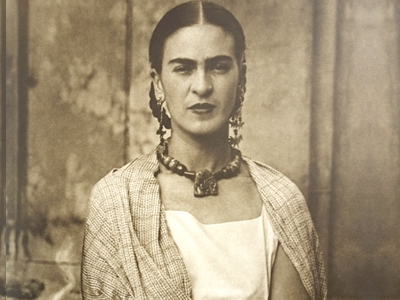
Frida Kahlo. Photo: Guillermo Kahlo
Every July 6, the vibrant spirit of Frida Kahlo is celebrated—not just in her hometown of Coyoacán, Mexico, but also right here in the San Francisco Bay Area. For many in the Hispanic community, Frida is more than a legendary artist; she represents strength, identity, resilience, and creative freedom that resonate deeply across cultures and borders.
Frida’s journey from Coyoacán to California wasn’t just a physical one—it symbolizes how her legacy has traveled, taken root, and continues to inspire throughout the neighborhoods, murals, art studios, and hearts of the Bay Area. Her life and art reflect the challenges and beauty that many in the community know well, making her story uniquely relevant to the diverse and dynamic culture of the region.
A Life of Pain and Beauty
Frida’s journey began with illness — she had polio as a child — and was forever changed by a near-fatal bus accident at 18, which left her with chronic pain and dozens of surgeries throughout her life. But instead of letting that pain break her, she picked up a paintbrush and began telling her truth through vivid, emotional self-portraits.
Frida once said, “I paint myself because I am so often alone and because I am the subject I know best.”
More Than an Artist — A Voice for Identity and Justice
Frida’s art was personal, but it was also political. She proudly embraced her Mexican roots, often wearing traditional Tehuana dresses, surrounding herself with Indigenous art, and celebrating her cultural heritage at a time when modern Mexico was looking to Europe for inspiration. Her love for Mexico’s traditions and people is something many of us feel deeply connected to.
She also spoke out against injustice. Frida was a feminist before the word was widely used, and she lived her truth openly — in her marriage, her sexuality, and her beliefs.
Her Spirit Lives in the Bay Area
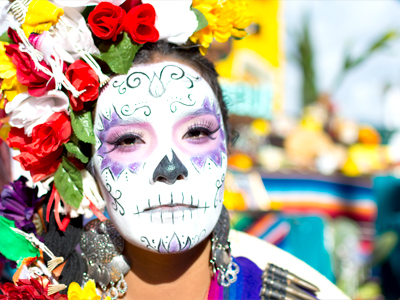
Here in the Bay Area, Frida Kahlo’s spirit is alive in murals across Mission Street, in the work of Latina artists, in community centers, in Día de los Muertos altars, and even in classroom conversations about culture and identity.
Frida Kahlo died on July 13, 1954, at the age of 47, but her legacy has only deepened over time. In the 1970s, feminists rediscovered her as a symbol of female strength and creativity, and in the decades since, she has become an icon in both art history and popular culture.
Her former home, La Casa Azul (The Blue House), is now a museum in Coyoacán, visited by thousands every year. It stands as a colorful, vibrant tribute to the life she lived — full of contradictions, beauty, struggle, and truth.
Why We Celebrate Her Today
Frida Kahlo’s birthday isn’t just a chance to admire her paintings. It’s an invitation to reflect on our own complexity — the way we wear our pain, how we define beauty, and how art can be both deeply personal and universally meaningful.
In celebrating Frida, we celebrate authenticity, courage, and creativity. We celebrate someone who refused to be silenced or shaped by others’ expectations. And we remember that the act of turning suffering into art is, in itself, a radical and healing force.
¡Feliz cumpleaños, Frida!